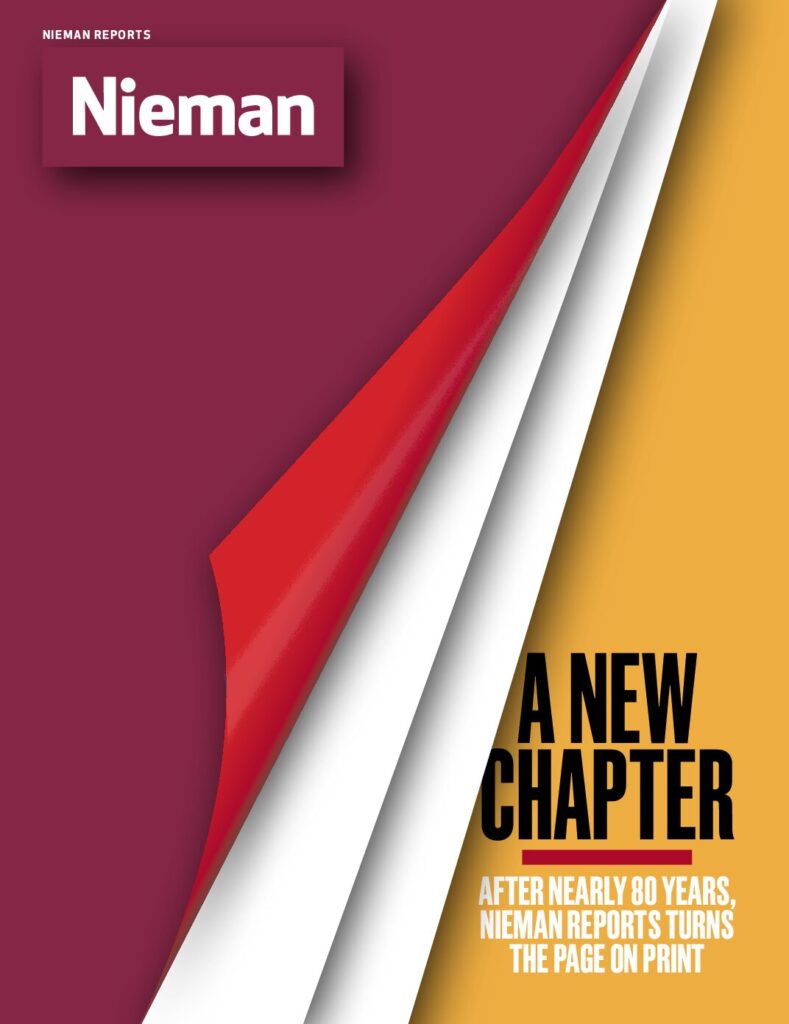
The Fall 2025/Winter 2026 edition of Nieman Reports represents the magazine’s final print issue as it transitions to an all-digital format. A combination of factors — many of which are affecting the wider media industry — has resulted in the move to online-only following a nearly 80-year run in print.
There’s much to think about and enjoy in this new print edition of Nieman Reports, and even more online. The issue examines challenges and trends in the news industry in the United States, France, Myanmar, Nepal, and Sudan, while our cover story looks at the evolution of Nieman Reports.
The same great journalism about journalism that readers have come to expect from the magazine will continue at niemanreports.org. In fact, it’s been appearing there for years already, including stories that don’t make it into print. Despite the changing format, our commitment to global media coverage remains as strong as ever.
Our family olive grove, outside Paiania, my hometown in the eastern suburbs of Athens, is close to the airport, close to sprawl, and close to my deepest memories. It’s the place I return to, and when I return, I dig.
It’s not a place for fetishized agrarian nostalgia or rural sentimentalism. Digging, in this place, is a cultural technique.
In media theory, a “cultural technique” is more than a practice; it’s a foundational operation through which meaning, systems, and entire worlds are created. Digging in the earth (like writing, counting, or drawing) is one such technique. It leaves traces. It rearranges the land. It makes some things visible, while burying others.
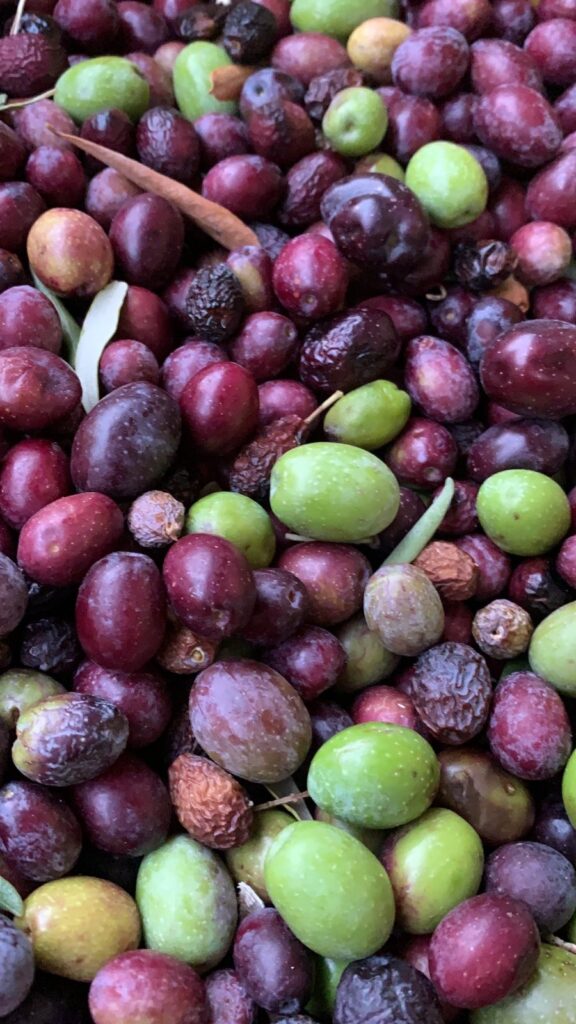
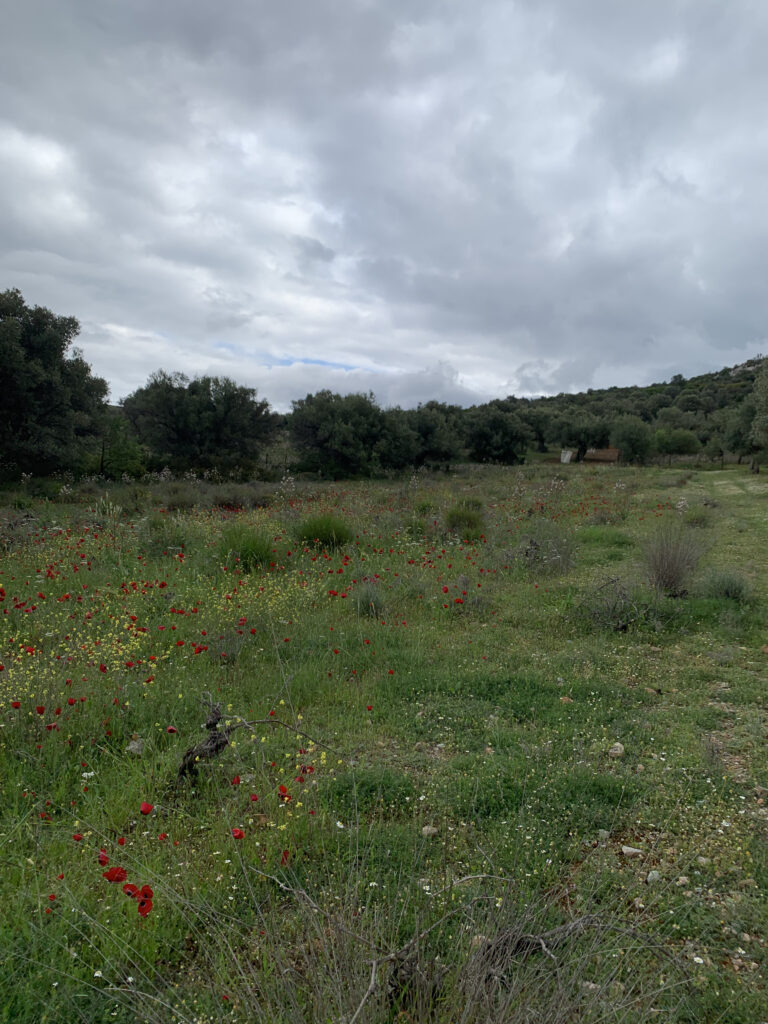
This narrow strip of land — a small rectangular plot with space for just two rows of local olive trees — was planted by my grandparents, Spiros and Sotiria, with their hands. At the time, Greece had no formal land registry, no secure documentation of rural land borders. My grandfather tended the land carefully — watering those first trees one by one, carrying buckets of water up and down the rows.
A baby olive tree is fragile: Wind can bend it, animals can snap it, or a neighbor can simply claim that the land it is on was always theirs. So my grandfather watered constantly, far more regularly than my brother and I would do when planting our own trees decades later.
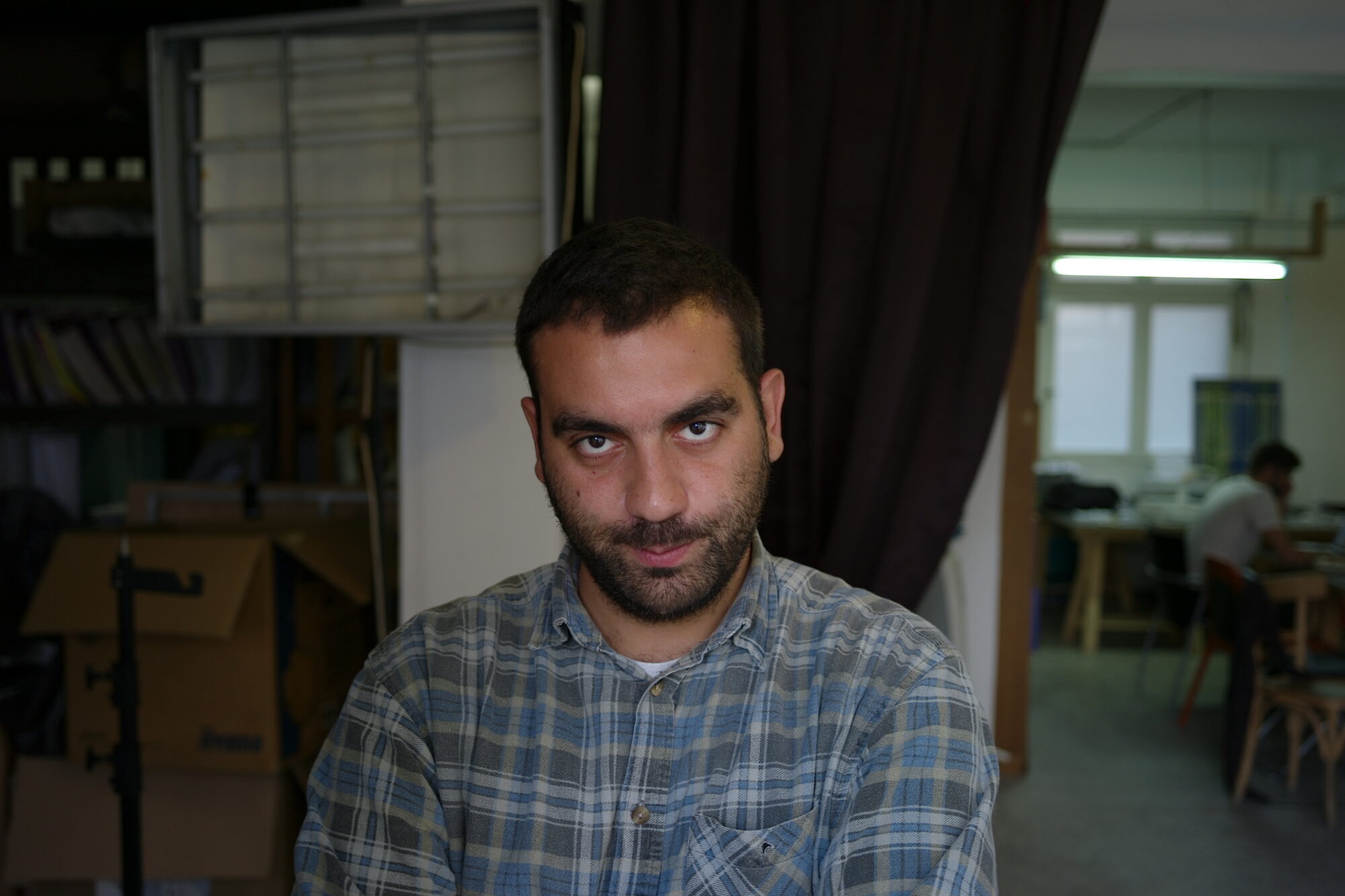
Sotiris Sideris
He watered to help them survive, but also to help the land speak. To make the trees grow strong enough to stand as living evidence of belonging. A kind of manual inscription through care. Today, the young trees my brother and I planted nearly 20 years ago are fully formed; the embodied result of generations of digging.
Our digging has always been stubbornly manual: cyclical, slow, physical. And yet it’s also metaphysical. It is how I learn. How I investigate. How I reject the surface-level explanation.
Digging teaches patience. It teaches skepticism. It teaches attention: not to what is projected from above, but to what is withheld, layered, embedded further down.
And this resonates deeply with my journalism, especially when dealing with opaque systems; with platforms and institutions that exercise power quietly; with the hidden systems, routines, and defaults that shape behavior and become ideology while evading scrutiny.
Everything began here, with the earth, the labor, the slow growth of my family’s plot.
It serves to remind me that investigating is not always about chasing the “new,” but sometimes about recovering older, slower ways of knowing. About honoring the techniques that make meaning possible in the first place.
Everything began here, with the earth, the labor, the slow growth of my family’s plot.
The work remains small; it’s local and physical. A family thing. It is the reality of digging as maintenance — the ongoing, unglamorous work of clearing weeds, pruning branches, cutting away what’s dead so what’s alive can breathe. And then, after pruning, you gather the dry branches and you set them on fire, turning excess into ash, ash into soil, soil into nutrients, so that the trees can breathe again in spring.
Digging is never a singular event; it’s a commitment to return, revisit, and reenter the same terrain while noticing what’s changed.
And land — like data, like archives, like systems — becomes wild if you don’t tend to it. It grows its own noise.
My work is full of this kind of clearing as well. You gather that noise before you reduce it: raw data, duplicated records, files that were never meant to be read, the entropy of institutions. Then you prune: the branches of bureaucracy where responsibility dissolves, the overgrowth of PR language that makes accountability feel impossible, the thickets of misinformation that make harm untraceable. And sometimes you have to let things burn: false leads, dead ends, stories that don’t hold up. Destruction is part of the discipline. But when you burn carefully, with intention, you create the conditions for something new to grow. A line of sight. A pathway. A truth that can breathe.
This is about that work. The slow, repetitive, unheroic part. The kind that doesn’t make headlines, but makes all the rest possible.