The Fall 2025/Winter 2026 edition of Nieman Reports represents the magazine’s final print issue as it transitions to an all-digital format. A combination of factors — many of which are affecting the wider media industry — has resulted in the move to online-only following a nearly 80-year run in print.
There’s much to think about and enjoy in this new print edition of Nieman Reports, and even more online. The issue examines challenges and trends in the news industry in the United States, France, Myanmar, Nepal, and Sudan, while our cover story looks at the evolution of Nieman Reports.
The same great journalism about journalism that readers have come to expect from the magazine will continue at niemanreports.org. In fact, it’s been appearing there for years already, including stories that don’t make it into print. Despite the changing format, our commitment to global media coverage remains as strong as ever.
For some, these projects mark a creative leap — print journalists exploring the documentary genre for the first time. Others are veteran documentarians, building on years of experience in telling ambitious stories. A few find themselves in front of the camera for the first time after long careers spent asking, rather than answering, questions. This is by no means a comprehensive list of all the Nieman alumni working in film, but a sampling of some recent work that highlights how Nieman alumni continue to innovate across different forms of journalistic storytelling.
“Devi” (2024)
The story of a woman whose rape by police officers during Nepal’s civil war had gone uninvestigated — along with more than 300 similar cases registered with the Truth and Reconciliation Commission — until she spoke out.
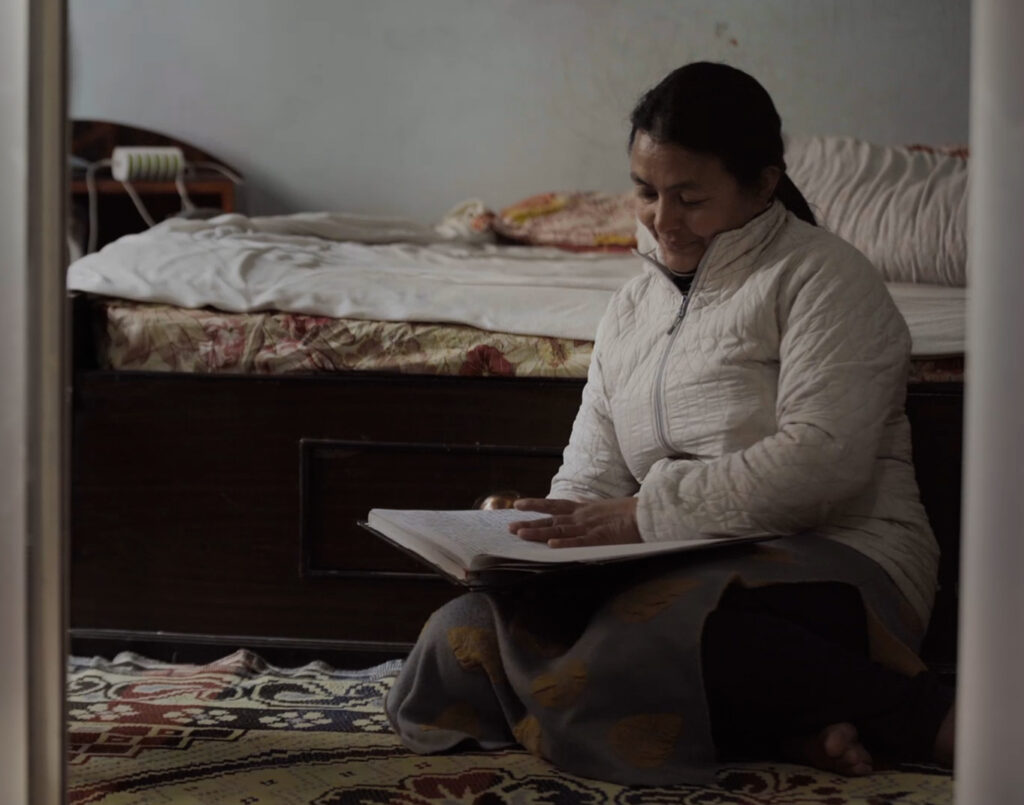
Subina Shrestha (NF ’17) first encountered Devi Khadka after hearing about her case while reporting on a story about Maoist women across Nepal. Shrestha worked to gain the women’s trust and persuaded her to share her personal diaries and speak out on the taboo subject of rape — calling into question the official narrative of those in power more than 20 years after the incident took place.
With limited resources and funding, Shrestha and her team were careful to protect the identities of the women featured in the film, and enlisted a trauma therapist to support Devi and the other survivors during the filming process. The documentary has had immediate real-world impact, leading to legal reforms and a dramatic increase in the number of women whose cases are recognized by the government: from around 300 cases before the start of filming to nearly 4,000 today. Much of that progress was made possible by Devi’s sustained lobbying, which helped pave the way for the Truth and Reconciliation Commission to accept roughly 1,800 cases last spring, and the remaining testimonies in August and September 2025.
Shrestha said she felt “a moral duty” as a Nepali woman to tell this story, and she hopes the film “allows viewers, at home and abroad, to see what silence conceals: the pain, resilience, and humanity of survivors. I hope ‘Devi’ inspires them to action.”
“Devi,” directed by Subina Shrestha, is available to stream on Vimeo.
“The Dynasty” (2025)
A film by Direkt36, a Hungarian investigative news platform, exposing the business dealings of Hungary’s Prime Minister Viktor Orbán and his family since the 1990s.
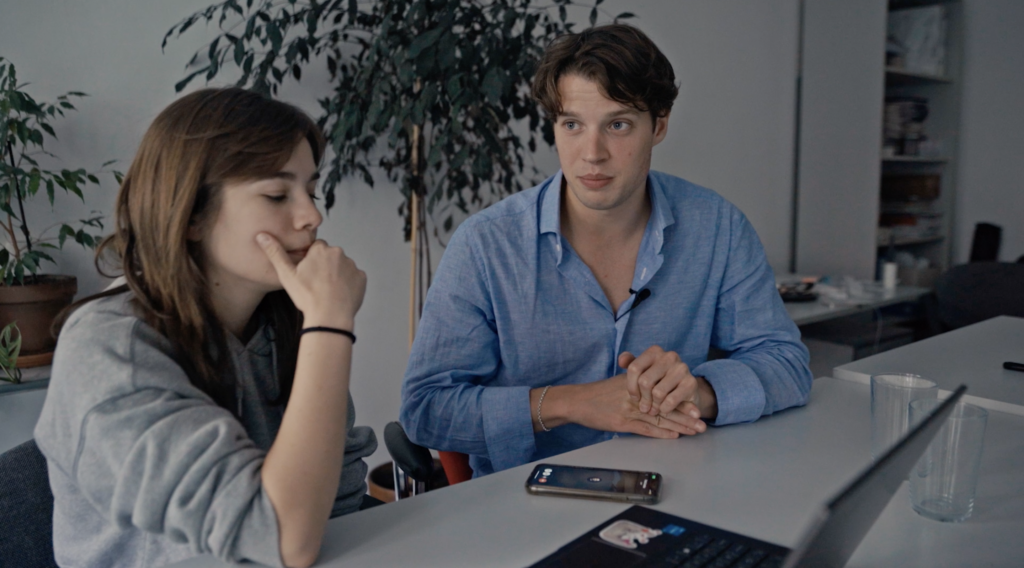
As executive director and co-founder of Direkt36, András Pethő (NF ’20) decided with his team to begin producing feature-length documentaries to show their investigative work to new audiences. While searching for the subject of a new documentary, Pethő realized that the story of Prime Minister Viktor Orbán’s family business empire had never been told through film.
The story of “The Dynasty” — for which Pethő served as a writer and producer — spans decades. The business activities of Orbán and his relatives have played a major role throughout his political career, yet remain largely unknown to the public. Bringing this history to the screen required a level of complexity quite different from text-based investigations, Pethő said, but the potential impact is far greater. Since its release in February 2025, the documentary has been viewed nearly 4 million times on YouTube.
“A written article would have been much harder to show the luxurious world Orbán’s family members have built for themselves,” Pethő said. For the film, the team took a camera — sometimes going undercover — and visited the lavish locations to reveal the truth to viewers. Pethő hopes audiences understand that for Orbán and those close to him, “politics and business go hand in hand.”
“The Dynasty,” directed by Bálint Bíró and Máté Fuchs, is available to stream on Direkt36’s official YouTube channel.
“The Petal Pusher” (2025)
Capturing the final chapter of his family’s flower shop in New York’s Penn Station, David Abel’s latest short film is “a testament to a bygone era.” It weaves together themes of familial love, loss, and the dramatic transformations the train station has undergone since the 1970s.
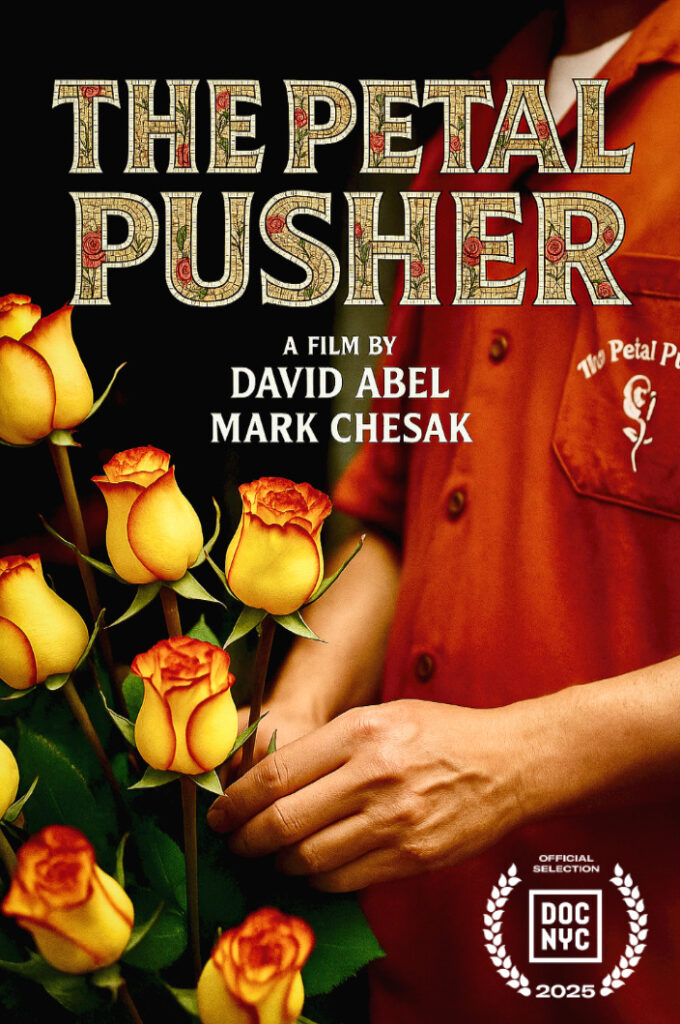
For his latest documentary, David Abel (NF ’13) turned the camera toward his personal history: his family’s flower shop, called the Petal Pusher, which was one of the longest-running small businesses in New York City’s Penn Station. After his father died, Abel’s mother kept the shop going, but over time the station changed: Small shops were replaced by chain stores, rents soared, and extensive renovations changed the character of one of New York’s busiest transit hubs. Finally, nearly a decade ago, Abel’s mother decided to close the shop, prompting Abel to start filming.
“Penn Station was a place where anything could happen at any moment — a track fire or love at first sight; a holdup or a hefty tip; a terrorist attack or a random act of compassion,” Abel said. “The flower shop was where I also learned about the economics of love and desperation — how time and space could be warped when there was a train leaving and a spouse waiting, especially on Valentine’s Day, making even a single rose priceless.”
Returning to this underground world allowed him to hold fast to where he came from and to what shaped him. Penn Station “is in many ways the heart of New York, and a mooring to my family,” Abel said.
“The Petal Pusher,” by David Abel and Mark Chesak, is playing in select theaters. More information is available on the film’s website.
“Out of the Picture” (2024)
A group of art and culture critics from across the U.S. reckons with the future of their profession, the art world, and the media industry.
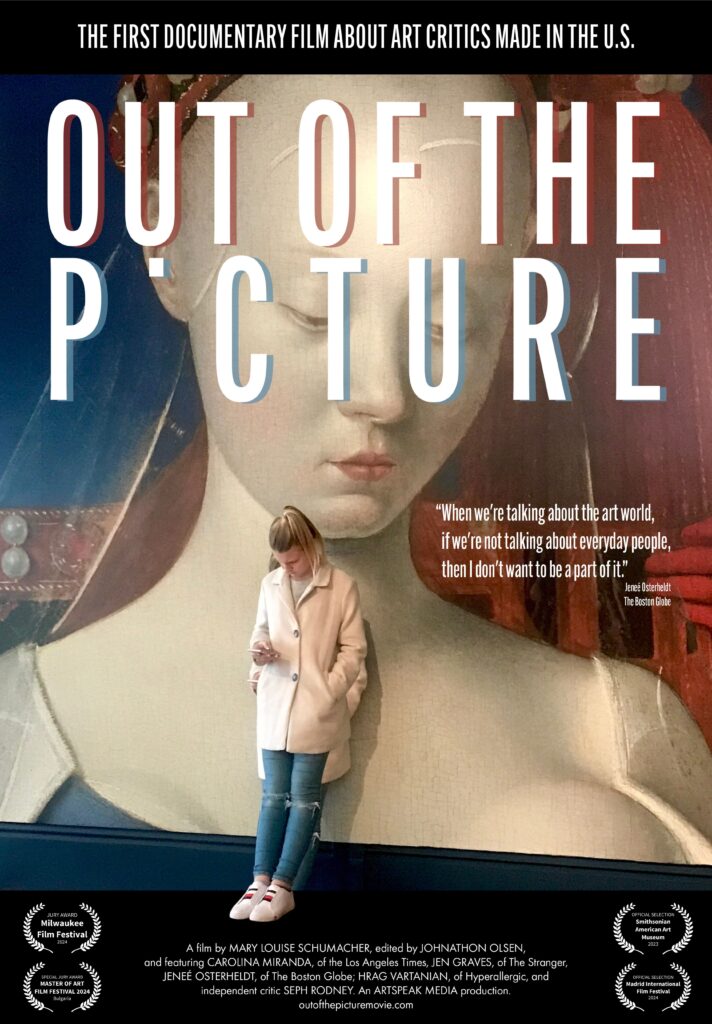
When art critics across the country began losing their jobs, Mary Louise Schumacher (NF ’17) had a gut feeling a major story was unfolding. She wondered what would be lost for communities and artists — and began talking with filmmaker friends about the possibility of a documentary. Eventually, Schumacher decided to assemble a crew herself and start filming.
“Cultural writers are at the heart of our most essential conversations as a society, and the work they do is not easy,” Schumacher said. “This is not widely recognized, including among many editors and publishers, many of whom have outdated ideas about the role of arts writing. I wanted to make that case so the work can be prioritized, supported, and engaged.”
Coming from a print background, Schumacher said she found that documentary film “requires a level of trust that was unlike any of the journalism I had done before.” Building relationships with her subjects, Schumacher added, became one of the project’s biggest lessons.
More information about “Out of the Picture,” written and directed by Mary Louise Schumacher, is available on the film’s website.
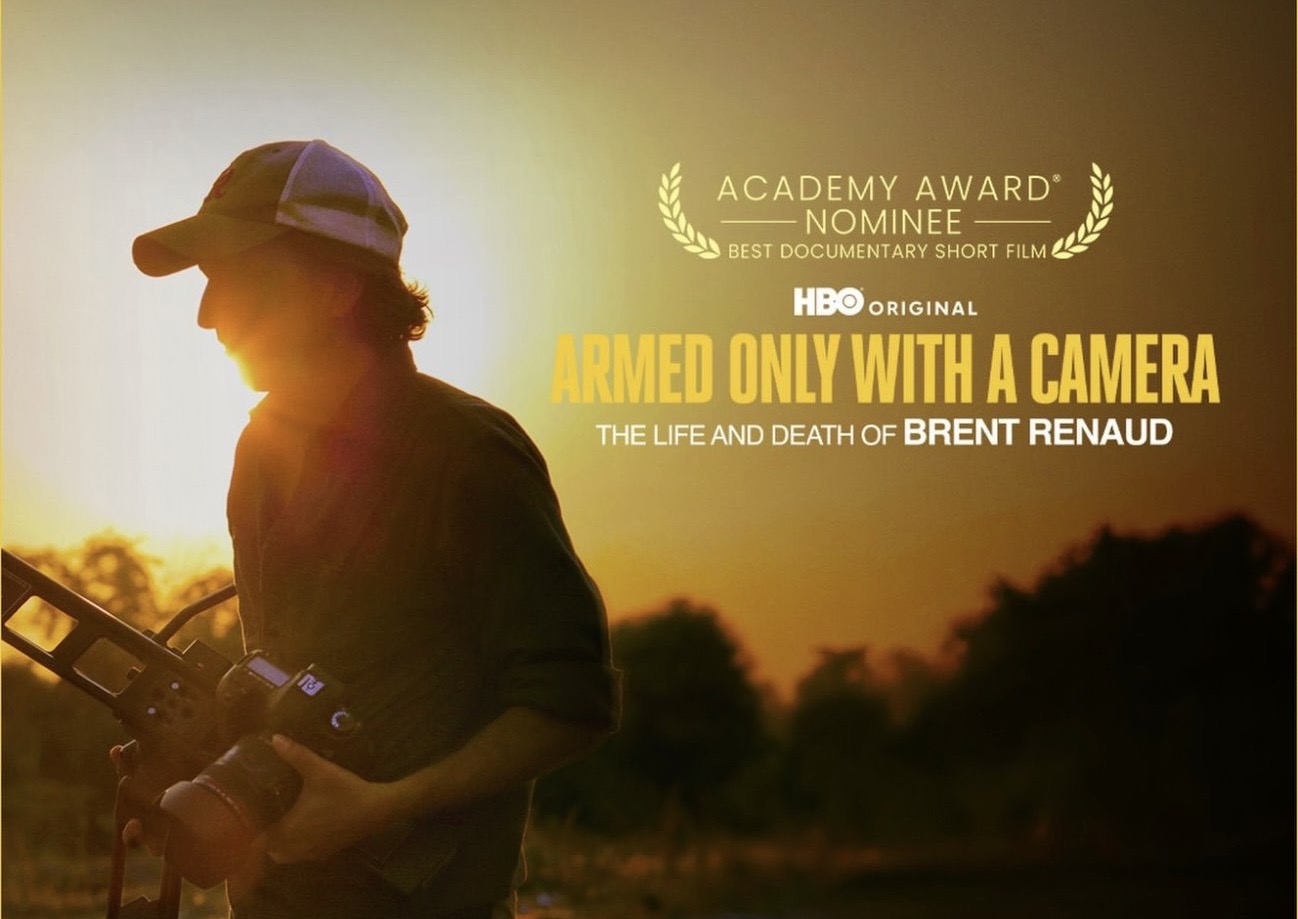
“Armed Only With a Camera: The Life and Death of Brent Renaud” (2025)
An intimate portrait of the life and career of Brent Renaud, a 2019 Nieman Fellow, and the first American journalist killed while covering the war in Ukraine.
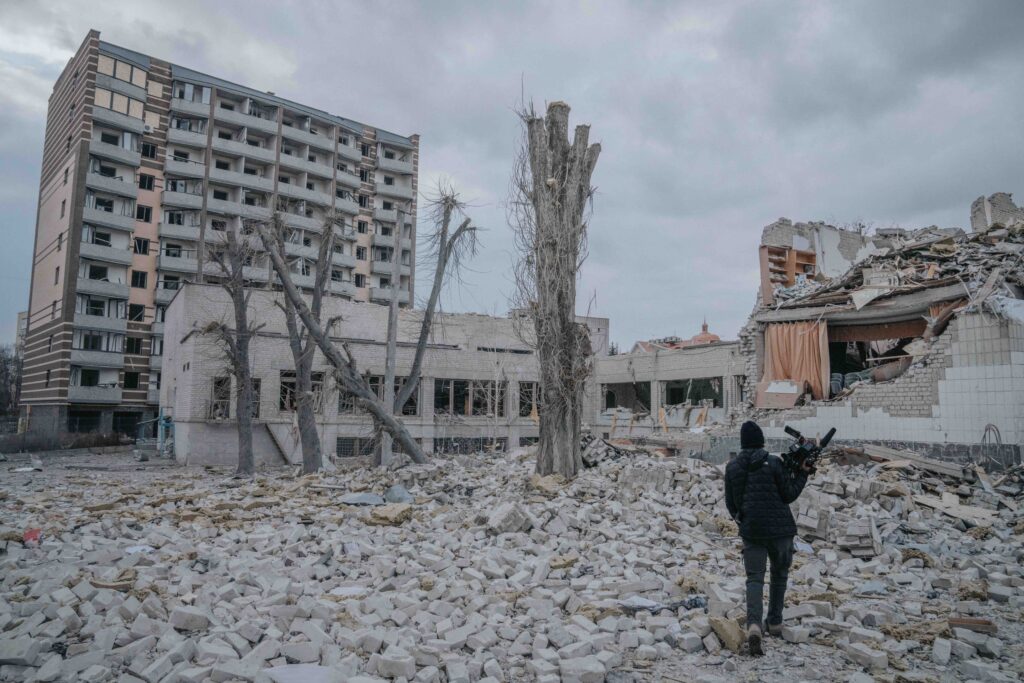
“Armed Only With a Camera,” produced by Brent Renaud’s brother, Craig Renaud, Juan Arredondo (NF ’19), and others, began with Craig Renaud wanting to honor Brent’s life after he was killed by Russian soldiers while reporting in Ukraine in 2022. Arredondo, who was on assignment in Ukraine with Brent and was badly wounded in the same attack that killed him, said the documentary quickly became both a professional undertaking and a deeply personal journey of remembrance and healing.
“The greatest challenge while making the film was revisiting Brent’s archives — thousands of hours of footage from Iraq, Somalia, and Ukraine — and searching for Brent’s voice and presence on camera,” Arredondo said. “Emotionally, it was a difficult process, but it reminded us how deeply [he] connected with people through empathy.”
The film, which is nominated for an Academy Award, also highlights the struggles journalists face in conflict zones and honors those who risk their lives to bring the truth to light. “I want audiences to feel a sense of urgency to protect press freedom abroad, especially now in the U.S.” Arredondo said.
“Armed Only With a Camera: The Life and Death of Brent Renaud,” directed by Craig Renaud and Brent Renaud, is available to stream on HBO Max.
“My Undesirable Friends: Part I – Last Air in Moscow” (2024)
This five-hour, multipart film chronicles the final days of independent journalism in Russia before its invasion of Ukraine led to a widespread media crackdown. The film follows a group of reporters — including three Nieman Fellows — who are forced to flee Moscow and go into exile.
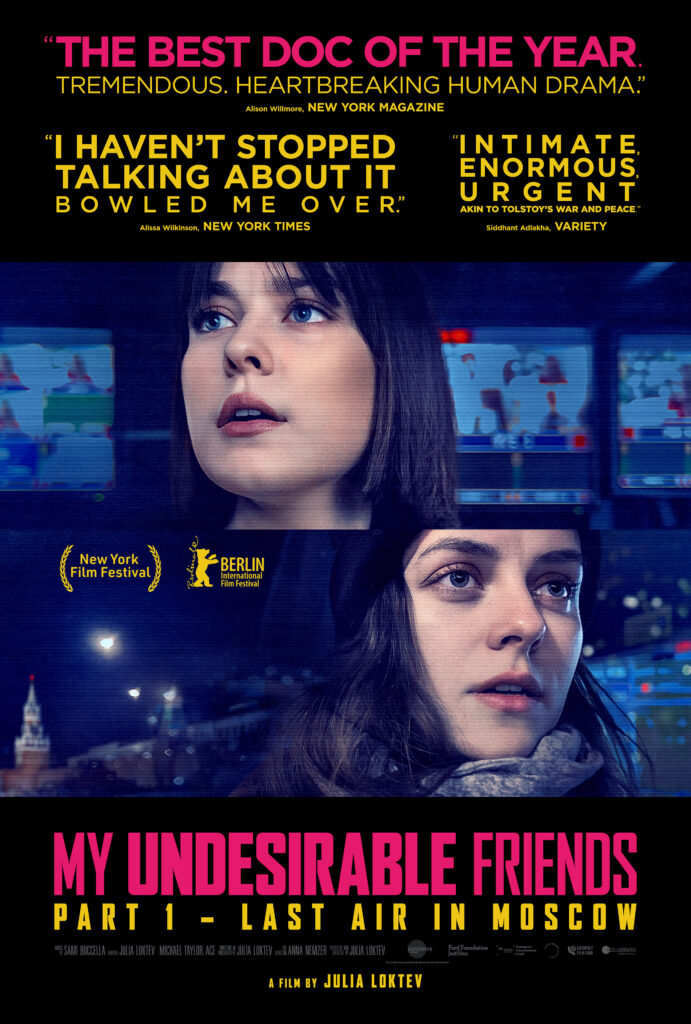
When New York-based filmmaker Julia Loktev first listened to the podcast “Hello, You’re a Foreign Agent,” created by Russian journalists Olga Churakova (NF ’23) and Sonya Groysman (NF ’24), she immediately reached out to the duo. The podcast chronicled how they had been branded foreign agents and blacklisted by the Russian government, how they had struggled to explain the designation to their families, and how they kept reporting despite being shut out of newsroom jobs.
Loktev, who began filming in October 2021, ended up capturing what would be the final months during which independent journalism in Russia was still possible. As the project unfolded, she recorded several profound shifts for Russian journalism: from the full-scale invasion of Ukraine and the subsequent collapse of independent media, to the forced exile of the journalists she had been following — including Churakova, Groysman, and Elena Kostyuchenko (NF ’25).
Groysman said watching the finished film brought her back to that time of grave uncertainty. “There was no instruction manual for what to do,” Groysman said, “except to keep doing your work under the circumstances, to keep practicing journalism during a crackdown on the press and the media.”
“My Undesirable Friends: Part I – Last Air in Moscow,” written and directed by Julia Loktev, will premiere on MUBI later this year. More information is available on Argot Pictures' website.
“The Stringer: The Man Who Took the Photo” (2025)
The film questions the origin of the harrowing 1972 photograph “The Terror of War,” which depicts a 9-year-old girl named Phan Thi Kim Phuc screaming in agony as she runs naked alongside other children fleeing a napalm attack during the Vietnam War. The photo, often referred to as “Napalm Girl,” earned Associated Press staff photographer Nick Ut a Pulitzer Prize, but the film posits that the photo was instead likely taken by Vietnamese stringer Nguyễn Thành Nghệ.
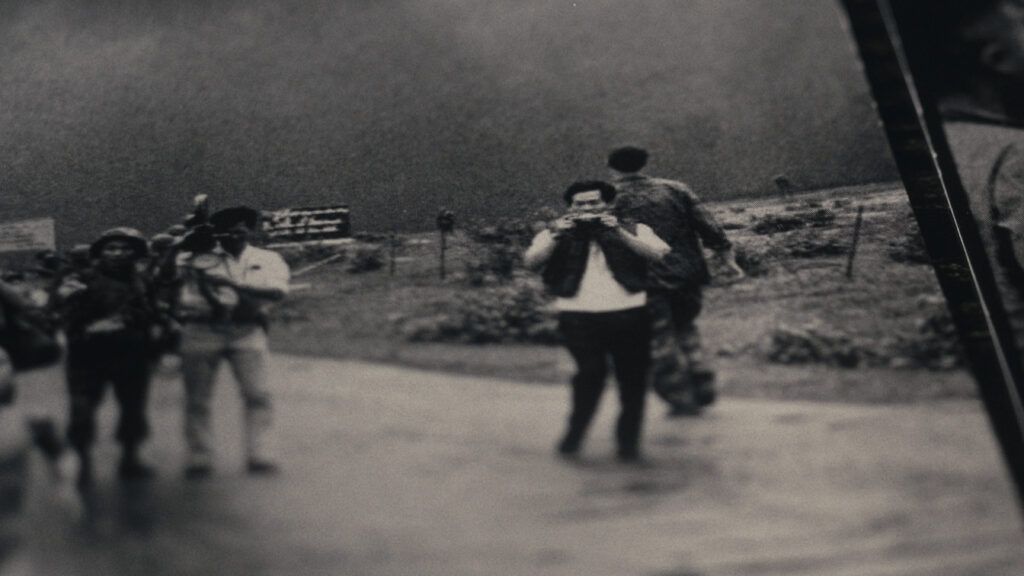
For Gary Knight (NF ’10), a photojournalist and CEO of the VII Foundation, the story behind “The Stringer” began just before Christmas 2022, when Carl Robinson — a former photo editor in the AP’s Saigon bureau during the Vietnam War — contacted him with an extraordinary allegation: that the famous “Napalm Girl” photograph had not been taken by Nick Ut, but by a local Vietnamese stringer. The claim called into question for Knight the authorship of one of the most iconic images in photojournalism history, as well as wider issues around the treatment of stringers and the accuracy of historical records.
Knight, who was executive producer and writer for the documentary, worked with director Bao Nguyen and a team that included Fiona Turner, who is Knight’s wife, and Terri Lichstein (NF ’97) as producers. They drew on published interviews, essays, books, and archival materials from the war, as well as forensic analysis. But researching a more than 50-year-old story proved immensely challenging, Knight said, as many principal figures had died or had fading memories. Several veteran journalists declined to be interviewed, and the AP strongly rejected its former editor’s claim and refused to participate in the film, stating that, following its own yearlong investigation, it did not find “the definitive evidence required by AP’s standards” to change the credit on the photograph.
“The Stringer” (2025), directed by Bao Nguyen, is available to stream on Netflix.